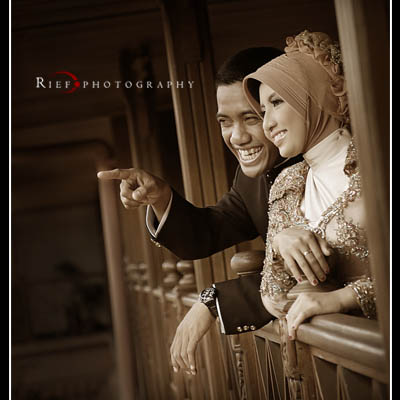
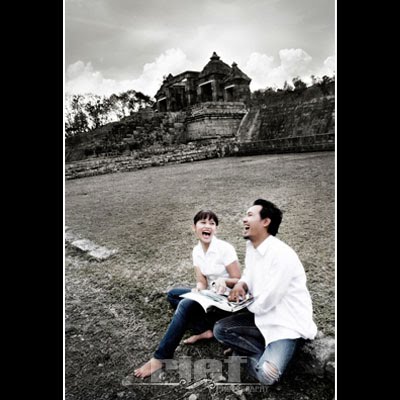
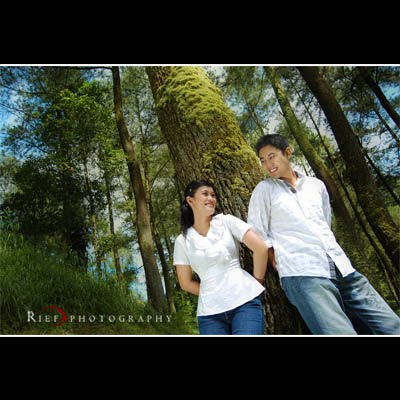
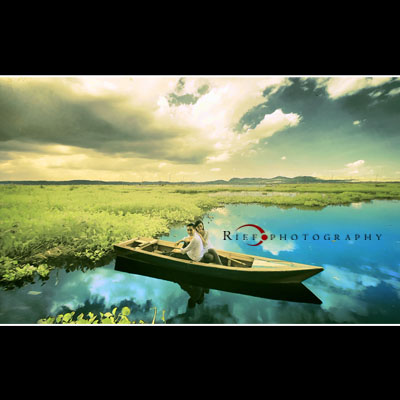
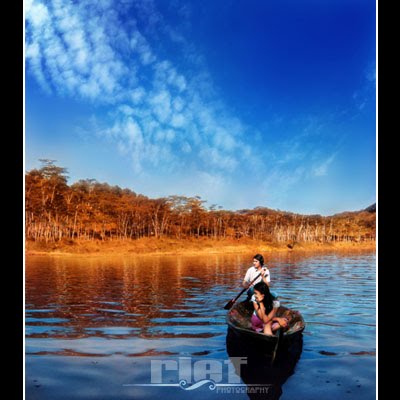
PRE WEDDING - RIEF PHOTOGRAPHY

Kenangan asmara anda menjadi tak terlupakan, abadikan momen moment (pre wedding) anda hanya bersama RIEF PHOTOGRAPHY. Karena RIEF PHOTOGRAPHY akan membuai anda dengan hasil paduan foto artistik dengan dibalut olahan digital yang selalu meng hasilkan foto yang sesuai dengan yang anda inginkan.

thanks to Nana - Yosy

thanks to Nana - Yosy
photo n editing by Rief Photography

thanks to nana - yosy

thanks to nana - yosy
photo n editing by Rief Photography

thanks to Putra - Yesica

thanks to Putra - Yesica
location on plaosan temple - photo n design by rief photography

thanks to yustina - afif

thanks to yustina - afif
location on plaosan - photo n editing by rief photography

thanks to Nuraini - Rindra

thanks to Nuraini - Rindra
photo n editing by Rief Photography

thanks to Eva - Budi

thanks to Eva - Budi
photo n editing by Rief Photography

thanks to Eva - Budi

thanks to Eva - Budi
photo n editing by Rief Photography

thanks to chici - coco

thanks to chici - coco
photo n editing by Rief Photography

thanks to nuraini n rindra

thanks to nuraini n rindra
location on beteng vredebeurg - photo n editing by rief photography

thanks to cici - choco

thanks to cici - choco
photo n editing by Rief Photography

thanks to nuraini n rindra

thanks to nuraini n rindra
location beteng vredeburg - photo by n rief photography

thanks to ike - daru

thanks to ike - daru
photo n editing by Rief Photography

thanks to datik - iwan

thanks to datik - iwan
location on tambi wonosobo - photo n editing by rief photography

thanks to chchi - coco

thanks to chchi - coco
location on puri artha hotel - photo n editing by rief photography

thanks to client

thanks to client
make up by dempul alus - location on rief studio - photo by rief photography

thanks to ina - agus

thanks to ina - agus
make up by ina friend - location aeast coast jogja - photo by creative house n rief photography

thanks to ina - agus

thanks to ina - agus
make up by dempul alus - location east coast jogja - photo by creative house n rief photography

thanks to ina - agus

thanks to ina - agus
make up by ina friend - location on east coast jogja - photo by creative house n rief photography

thanks to niken - henky

thanks to niken - henky
make up by dempul alus - location area prambanan jogja - photo by rief photography

thanks to datik - iwan

thanks to datik - iwan
location on tambi wonosobo - photo n editing by rief photography

thanks nuraini - rindra

thanks nuraini - rindra
location on kalikuning kaliurang - photo n editing by rief photography

thanks to chici - coco

thanks to chici - coco
location on sundak beach - photo n editing by rief photography

thanks to Esti - Wijaya

thanks to Esti - Wijaya
location on rawapening,ambarawa - photo by n rief photography

thanks to dian - lala

thanks to dian - lala
make up by dempul alus - location on waduk cermo jogja - photo by creative house n rief photography

thanks to dian - lala

thanks to dian - lala
make up by dempul alus - location on parangkusumo beach jogja - photo by creative house n rief photography

Jumat, 22 April 2016

25 Tempat Menarik di Jogja Yang Cocok Untuk Foto Prewedding

25 Tempat Menarik di Jogja Yang Cocok Untuk Foto Prewedding

love-couple
Ketika memasuki musim orang mau nikah biasanya menjelang dan setelah bulan puasa atau tahun baru, saya sering ditanyai dimana tempat prewedding yang bagus di jogja yang aman, sepi, dan unik. Aku pikir si do’i bakalan ngajakin prewedding nih, Eh.. rupanya cuma ngajak surve ke lokasi-lokasi prewedding ngalor-ngidul sampai nggak jelas arahnya mau kemana -_-
Karena sering ditanyai seperti itu sampai cape jawabnya, apalagi yang tanya orang-orang yang sedikit rada bawel mulai dari pertanyaan Tempatnya keren ngga? Masuknya bayar? Lokasinya sepi? Jalan aspal ? Mobil muat ? ada kamar ganti ? dll.
Maka saya buatkan referensi lokasi prewedding yang ada di jogja dan sekitarnya, baik yang berbayar maupun yang gratis, yang indoor maupun outdoor. Sebenarnya foto prewedding dimanapun dan kapanpun tetap bisa terlihat bagus asal dengan konsep yang matang.
Berikut beberapa referensi tempat beserta referensi fotografer yang ada di jogja. semoga dapat menjawab segelintir pertanyaan diatas.

Lokasi Gratis

1. Gumuk Pasir

Ini adalah salahsatu lokasi yang populer untuk foto prewedding, letaknya dekat dengan pantai parangtritis. Kendaraan dan kamar ganti bisa diparkir di warung-warung yang ada di pinggir jalan. waktu yang paling cocok ialah sore hari karena saat pagi hari, pasir sedikit basah karena embun.

2. Runaway Pantai Depok

Tak jauh dari gumuk pasir terdapat runaway pantai depok, paling cocok datang di pagi hari atau siang karena jika sudah sore akan banyak dipakai untuk nongkrong para wisatawan maupun warga sekitar sehingga menjadi kurang leluasa.

3. Hutan Pinus Dlingo

Terletak di daerah dlingo bantul dan berada di daerah perbukitan, ada cukup banyak hutan pinus di sebelah kanan kiri jalan. lokasi yang cukup teduh dan sejuk untuk foto prewedding. di lokasi belum tersedia kamar ganti maupun kamar mandi disini jadi perlu persiapan dari rumah.

4. Pantai Goa Cemara

Pantai yang berada di jalur selatan pesisir bantul memang terkenal dengan spot yang banyak dengan pohon cemara laut, mulai dari pantai samas, pantai pandansari, goa cemara, dan pantai baru. Meskipun di pinggir pantai namun lokasi cukup teduh bisa untuk konsep foto guling-guling 😀

5. Pantai Bekah

Tempat ini sebenarnya sebuah deretan tebing dan spot untuk memancing yang dikelola oleh Pak Bambang. Yang menarik disini adalah bener-bener tebing diatas laut cocok untuk menikmati sunset di sore hari. Untuk menuju kesana masih cukup berat karena jalan masih berupa tatanan batu dan tanjakan naik-turun, butuh mobil jeep atau landrover untuk menaklukannya.

6. Parang Ndog

Lokasinya berada di tebing diatas pantai parangtritis, yang juga merupakan lokasi untuk olahraga paralayang. Kendaraan roda empat muat untuk parkir diatas, hanya saja tanjakannya cukup jahanam :)) . parkir dan kamar ganti bisa dilakukan disebuah warung yang hanya ada satu-satunya disana.

7. Puncak Giri Sarangan

Lokasinya berada di paling barat dari pantai krakal dan pantai sarangan. Dulu tempat ini masih berbatu dan cukup sulit untuk naik kesana. Sekarang sudah disemen dan nampak lebih rapi. di   puncak yang cocok untuk menikmati matahari terbenam

8. Pantai Sadranan

Ini adalah pantai yang popular juga untuk lokasi prewedding, lokasinya berada di sebelah barat pantai sundak. Lokasi yang cocok karena jauh dari tempat pemberhentian kendaraan sehingga tak begitu banyak berseliweran pedagang dan pantainyapun juga relatif lebih bersih.

9. Pantai Pok Tunggal

Sebenarnya Pantai pok tunggal ciri khasnya hanya pada satu pohon yang paling menonjol disana, oleh karena itu kenapa disana disebut pantai pok tunggal. dan pohon inilah yang menjadi icon pantai pok tunggal.

10. Pantai Siung

Yang paling popular di Pantai siung untuk prewedding adalah di sisi timurnya yaitu di bukit yang menjorok ke laut. Dari bukit tersebut kita bisa terlihat luas area pantai siung secara keseluruhan. Untuk pasangan yang hendak naik memang cukup curam namun tak terlalu tinggi. Sediakan banyak tisu karena pasti keringat akan keluar segede jagung setelah sampai diatas .

11. Pantai Nglambor

Pantai ini lebih dikenal dengan underwaternya karena bentuk pantai yang seperti teluk sehingga ombak tidak terlalu besar. saya kira cuma ini satu-satunya pantai di jogja yang bagus untuk snorkling dan sangat cocok untuk foto prewedding dengan konsep underwater di laut.

12.  Pantai Wediombo

Pantai wediombo memang pantai yang agak jauh diantara pantai lainnya, namun disini pantai cukup alami dan masih sepi jadi cukup leluasa memilih spot tanpa terganggu oleh lalu lalang orang.

13.  Goa Jomblang

Goa memang tempat yang cukup extreme untuk tempat prewedding, apalagi goa ini bertipe vertical maka untuk turunpun cukup sulit. Tapi dengan rintangan seperti itu maka konsep prewedding anda pasti tiada duanya.

14.  Waduk Sermo

Tempat ini bisa sepaket dengan kalibiru karena cukup naik beberapa menit saja sudah sampai ke kalibiru. di waduk sermo paling cocok tiba di pagi hari atau sangat pagi sekali lalu menyewa rakit atau perahu dayung sebagai properti disana dengan suasana waduk masih berkabut.

15.  Candi Abang

Namanya memang candi abang tapi warnanya hijau dan tak ada candinya sama sekali karena yang ada hanyalah gundukan tanah dan rumput, mirip rumahnya teletubbies. Untuk menuju kesana melewati jalan menanjak dan jalan yang agak rusak.

16.  Embung Nglanggeran dan Embung Batara Sriten

Dua embung ini mempunyai keunikan tersendiri meskipun sama-sama berada di tanah yang tinggi, embung nglanggeran mempunyai background gunung api purba sedangkan embung batara adalah embung tertinggi di jogja pastinya untuk menuju kesana harus melewati banyak tanjakan.

17. Kalikuning dan Kaliurang

Lereng gunung merapi yang sejuk dan hijaunya pepohonan disekitar kalikuning juga menyuguhkan banyak tempat-tempat menarik. Musim setelah hujan biasanya akan banyak muncul alang-alang liar disekitar kalikuning yang bisa dimanfaatkan sebagai objek foto prewedding..

18. Malioboro dan Titik 0 KM

Jika menyukasi konsep yang ramai / di tempat umum , maka foto prewedding di jalanan malioboro bisa menjadi pilihan.
Ditambah dengan menggunakan properti yang ada disekitarnya seperti andong, becak, lampu-lampu kota, atau bahkan kemacetan mungkin :p

Lokasi Berbayar

19. Tamansari & Pulo Cemeti

Ada banyak spot menarik di sekitar tamansari yang sering digunakan untuk foto prewedding seperti, di masjid bawah tanah, pulo cemeti, lorong menuju masjid bawah tanah, dan water castle.
pastikan kondisi disana tidak bertepatan dengan musim liburan, karena bakalan banyak lalu lalang pengunjung yang bisa mengganggu anda.

20.  Candi Plaosan

Candi plaosan berada di sebelah timur candi prambanan, sudah berada di kabupaten klaten. Bentuk candi yang tidak terlalu tinggi sehingga cukup bagus menggunakan lensa wide untuk berkonsep di area candi.

21. Candi Ratu Boko

Menurutku Candi Boko ini candi yang paling asyik untuk foto prewedding diantara cadi-candi yang lain. selain lokasinya yang cukup luas juga lokasinya berada diatas bukit yang membuat candi ini cocok juga untuk menanti matahari terbenam.

22. Abhayagiri Restaurant

Sebuah bukit yang penuh kedamaian (Abhayagiri) ,berlokasi tak jauh dari candi Ratu Boko dan candi prambanan. Resto yang saya kira sangat indah di semua spotnya, sangat layak untuk anda coba.

23.  Rumah Paris

Rumah paris berada di jalan parangtritis dekat dengan rumah budaya tembi bantul. sebuah homestay yang lucu dan unik serta jarang ditemui oleh masyarakat Indonesia karena memiliki dekorasi vintage dan membuat Anda merasa seperti berada di rumah-rumah di Eropa. tinggal tancap gas, karena semua properti warna-warni sudah ada disana.

24.  Benteng Vredeburg

Bangunan peninggalan belanda yang masih terawat degan baik saya kira hanya ini saja yang ada di jogja jadi sudah pasti akan dikenakan biaya tambahan disini.

Selasa, 06 September 2011

Kamis, 09 Juni 2011

Minggu, 01 Mei 2011

Sabtu, 18 Desember 2010

fotografer jogja

behind the scene of prewedding Ikke n Daru


Ucapan terima kasih sebesar2nya kepada crew Rief Photography
yang telah mampu membantu dalam proses pemotretan
Prewedding yang semoga menjadikan kita semua menjadi
manusia yang selalu maju dan berkembang bersama.

Client yang mampu membuat kami terus berkembang dan berkarya,
tak henti2nya kami mengucapkan terimakasih banyak atas
kepercayaan anda, dan kepercayaan itu tentunya bisa
menjadikan kami sebagai motivasi dan tanggung jawab,
karena kami mempunyai prinsip
"Kepuasaan Anda adalah Amanah bagi Kami "Rief PHotography".

salam

Rief Photography

fotografer jogja

[Lomba Foto] CANON AUTOPHOTOGRAPHY CONTEST 2010

CANON AUTOPHOTOGRAPHY CONTEST 2010

Supported by Canon, Darwis Triadi school of Photography, Indonesia Photo, Majalah Chip & Fotografer.net

Peraturan dan tata Tertib lomba

1. Diperlombakan hanya 1 kategori yaitu Kategori Digital Umum (Kamera Bebas)
2. Hunting foto wajib dilaksanakan di lokasi pameran Accelera Auto Contest 2010, jam 18.00 - 20.00 yang dilaksanakan di : Jakarta, 18 Desember 2010 @ Balai Kartini
3. Biaya Pendaftaran

* Umum Rp. 75.000 mendapatkan 1 VIP card + VIP card hanger + free t-shirt untuk 100 pendaftar pertama
* Untuk komunitas : Club foto/pelajar/mahasiswa/anggota sekolah foto: Rp. 60,000 + VIP card + VIP. Card Hanger + free kaos untuk 100 pendaftar pertama

* menyerahkan foto copy id card club atau kartu pelajar
* kirim nama,telp,email sms ke 081703093333

4. Hadiah yang dapat dimenangkan di setiap kota yaitu:
Umum:

* Juara 1 : Canon EOS 1000D (with Lens EF-S 18-55mm)+ Voucher Darwis Triadi School of Photography 1,5 juta + voucher makan*
* Juara 2 : Canon Selphy Photo Printer CP780 + Voucher Darwis Triadi School of Photography 1 juta + voucher makan*
* Juara 3 : Canon PIXMA Printer IP 2770 + Voucher Darwis Triadi School of Photography 500 rb + voucher makan*

*voucher makan hanya untuk kota surabaya, Jogja & Jakarta

Kategori HID untuk kota Surabaya, Jogja dan Jakarta

* Juara 1 cash Rp 1,5 Jt
* Juara 2 Cash Rp 1 Jt
* Juara 3 Cash Rp 500rb

5. Peserta akan dianggap mengikuti kompetisi pada saat telah menyerahkan hasil maksimal jam 21.00 wib di hari sabtu setiap event di stand Canon.
6. Peserta di wajib kan memakai t shirt peserta dan id card selama hunting di lokasi
7. Peserta boleh menggunakan Flash tapi tidak diperkenankan menggunakan mobile light/standing flash atau Reflektor karena dapat mengganggu peserta lainnya.
8. Peserta diperbolehkan melakukan pengaturan brightness & contrast, tetapi tidak diperkenankan melakukan perubahan warna dan perubahan background
9. Peserta tidak diperkenankan mempergunakan foto yang dihasilkan selama acara ini untuk kepentingan komersil kecuali untuk porto folio si fotografer tersebut. Untuk keperluan komersial lainnya peserta diharapkan atas usahanya sendiri untuk mendapatkan property dan model release yang diperlukan.
10. Semua copyright foto yang dihasilkan selama lomba adalah milik fotografer. Semua hasil foto yang masuk menjadi milik panitia dan dapat dipergunakan untuk keperluan promosi baik dari penyelenggara ataupun sponsor pendukungnya.
11. Peserta dapat menyerahkan maksimal 4 (empat) file 2 foto untuk kategori umum dan 2 foto untuk kategori hadiah HID dalam format JPG (High Resolution)file asli di lokasi event atau email ke cody.surabaya@gmail.com paling lambat jam 22.00 wib
12. Pengumuman dilaksanakan hari terakhir dlm pameran Accelera Auto Contest pukul 19.00 wib di lokasi event
13. Foto Pemenang akan dipublikasikan/dimuat di Codymaxx, Indonesia Photo, Majalah Chip, Fotografer.net, website Codymaxx, website Auto Contest dan akan digunakan untuk keperluan publikasi media atau event sejenis lainnya. Pemenang akan dihubungi dan diminta panitia untuk menyerahkan file asli berbentuk CD dan dikirimkan ke Cody Enterprises, Jl. Manyar Tirtoyoso Selatan I no. 49 Surabaya
14. Keputusan juri tidak dapat diganggu gugat.
15. Team Juri:

* Team Canon
* Team Darwis Triadi School of Photography
* Team Codymaxx

16. Kriteria penilaian foto adalah:

* Penonjolan produk pada mobil dan model
* Pemanfaatan momen
* Kemampuan teknis / angle foto.


* Regulasi dapat berubah sewaktu waktu, info Indry : 0817.0309.3333

fotografer jogja

Lomba Foto Umum XLAward2010 Total Hadiah 230 juta! deadline 31 des 2010

Dengan hormat,

Bersama ini XL dengan rendah hati, mengajak rekan fotografer, untuk ikut serta sekaligus mengirimkan karya fotonya yang dimuat di blog pribadi, terhitung hingga 31 Desember 2010 nanti.

Dengan tema: Upaya operator dalam memberikan layanan telekomunikasi terbaik bagi pelanggan dan Indonesia.

Adapun hasil karya foto tersebut yang dipublikasi dalam blog, soft copy tulisan dan foto asli wajib dikirimkan ke panitia via email. Sedangkan bukti pemuatan (kliping artikel/foto), kopi ID KTP, form pendaftaran (didapat dari www.xl.co.id/xlaward2010), semuanya wajib dikirimkan melalui surat post ke alamat panitia lomba.

Adapun hadiah untuk Lomba Karya Foto ini:
Juara I untuk tiap kategori peserta dan jenis lomba Rp. 18.000.000,-
Juara II untuk tiap kategori peserta dan jenis lomba Rp. 13.000.000,-
Juara II untuk tiap kategori peserta dan jenis lomba Rp. 8.000.000,-
Juara Harapan masing-masing mendapat Rp. 2.000.000,-

Besar harapan, agar rekan blogger kiranya dapat berpartisipasi dalam lomba ini. Untuk syarat dan ketentuan lomba yang lebih detil klik www.xl.co.id/xlaward2010. Penutupan lomba 31 Desember 2010.
Hormat,
Panitia Lomba XL Award 2010
LUCID Communication
Graha Tirtadi, Lantai 3, Jalan Raden Saleh Raya No.20
Cikini, Jakarta Pusat
Tlp: 021-39835829 dengan Adi, Roy, atau Brian.
Email: XLAward@lucidcomm.com, xlaward@yahoo.com

fotografer jogja

[LOMBA FOTO] JASA RAHARJA (deadline 31 Desember 2010)

Lomba karya Jurnalistik & Fotografi JASA RAHARJA

Tema:
Peran serta Jasa Raharja dalam membangun kesadaran publik terhadap keselamatan bertransportasi di Indonesia
Total hadiah uang tunai:
Rp. 187.500.000,-

Kategori Lomba:
FOTO
*Kategori JURNALIS
*Kategori UMUM

Hadiah untuk setiap kategori:
* Juara I Piala+Rp. 15.000.000,-
* Juara II Piala+Rp. 10.000.000,-
* Juara III Piala+Rp. 7.500.000,-
* Juara Favorit Piala+Rp. 5.000.000,-

(setiap 10 nominasi terbaik yang tidak menjadi pemenang akan langsung mendapatkan uang apresiasi sebesar Rp. 1.000.000,-)

Ketentuan Peserta
KARYA FOTO

a. Kategori JURNALIS
* Foto dalam bentuk softcopy (dalam CD)
* Foto dalam bentuk hardcopy (cetak ukuran 10R)
* Bukti foto yang TELAH DIMUAT DIMEDIA
* Fotokopi Kartu Pers
* Fotokopi pengenal diri

b. Kategori UMUM
* Foto dalam bentuk softcopy (dalam CD)
* Foto dalam bentuk hardcopy (cetak ukuran 10R)
* Curriculum Vitae (CV) singkat fotografer

Seluruh materi dikirimkan dalam amplop tertutup dan dialamatkan ke pantia:
Kantor Pusat Jasa Raharja
JL. H. R Rasuna Said Kav. C-2, Jakarta 12920
UP: Panitia lomba karya Jurnalistik dan Fotografi 50 tahun Jasa Raharja
Telp. 021-5203454Ext. 706-709

smber:

fotografer jogja

[LOMBA FOTO] - "MERAPI SAHABATKU" - deadline diperpanjang sampai 22 desember 2010

Bantu Posting Lomba Foto " MERAPI SAHABATKU"
Merapi telah begitu banyak memberi dan menginspirasi kehidupan kita...
Merapi bukan ancaman kita, bukan musuh kita, bukan sumber ketakutan kita...
Merapi adalah sahabat kita semua...


TOTAL HADIAH 50jt Rupiah!!
Juara 1 : Rp 10.000.000,-
Juara 2 : Rp 7.500.000,-
Juara 3 : Rp 5.000.000,-
Juara Harapan x 11 org @ Rp 2.500.000,-


KETENTUAN :
01.Objek Foto : Aktifitas masyarakat umum atau situasi umum dengan latar belakang Gn. Merapi.
02. Rentang waktu pemotretan thn 2005 - 2010
03. Dihasilkan melalui kamera analog / digital.
04. Terbuka utk Umum
05. Foto yang diikut lombakan dikirim dalam bentuk cetakan, dengan sisi terpanjang minimal 25cm atau maksimal 30cm.
06. Setiap foto diberikan keterangan waktu pemotretan, keterangan situasi dan lokasi ditempel belakang foto.
07. Model release menjadi tanggung jawab fotografer sepenuhnya.
08. Manipulasi foto hanya sebatas Dodging, Burning, & Croping.
09. Setiap peserta dapat mengirimkan maksimal 5 karya foto.
dikirimkan ke :
SEKRETARIAT JOGJA TANGGAP CEPAT (JTC)
Jl. Bausaran no. 56 Yogyakarta
telp. (0274) - 555111
10. Batas waktu penerimaan foto 14 desember 2010 Pkl. 15.000WIB - Diundur sampai 22 Desember 2010
11. Penjurian, Pengumuman Pemenang, & Penyerahan Hadiah - ada perubahan nanti diupdate.
12. Foto2 yang dikirimkan utk lomba ini tidak akan dikembalikan.
13. Bagi foto yang menang akan menjadi hak panitia sepenuhnya, file asli wajib dikirimkan.
14. Akan dipilih 50 foto untuk ditampilkan dalam penerbitan buku kenangan.
15. Keputusan Dewan Juri tidak dapat diganggu gugat.
16. Dewan Juri : Johnny Hendarta - Edial Rusli - Pamungkas WS

fotografer jogja

LOMBA MOTRET MODEL ME N MY RADIO

Radio sonora yogyakarta ngadain lomba motretmodel..
lumayan buat peutup tahun 2010

Sabtu, 18 desember 2010
Lokasi : area Radio Sonora, ndalem tejokusuman, yogyakarta

Hadiah ;
juara 1 ; 750000
juara 2 ; 600000
juara 3 ; 400000
2 harapan ; 200000

pendaftaran ; rp.20.000 (sebelum tanggal 18)
rp. 25.000 (on the spot)
1. radio sonora
jl. wahid hasyim 256
telp. 450-363
2. radio eltira
jl. sabirin 6 kotabaru
telp; 557-215

kamera yg digunakan bebas, masksimal 3 foto, ukuran max 500kb dikirim ke sonorajogjakarta@yahoo.com sebelum tggl 21 desember 2010

demikian sekilas info...jika ada kesalahan mohon dimaafkan...happy

sumber:

fotografer jogja

Apa Anggapan Orang AS tentang Pernikahan?

akarta (ANTARA News) - Warga Amerika Serikat semakin banyak yang berpendapat bahwa pernikahan adalah sesuatu yang usang. Hal ini terungkap dari jajak yang dilakukan The Pew Research Centre dan dikutip majalah Time.

Berdasarkan survei tersebut, 39 persen responden mengatakan pernikahan adalah sesuatu yang usang. Hampir empat dari setiap sepuluh pasangan yakin bahwa pernikahan adalah hal kuno, ungkap survei tersebut.

Jadi, semakin banyak orang di negara tersebut yakin bahwa pernikahan tidak diperlukan untuk membentuk keluarga bahagia.Hanya 52 persen orang dewasa (mulai usia 18) yang menikah, artinya semakin banyak anak lahir di luar pernikahan.

Jajak pendapat itu menunjukkan bahwa hampir satu dari tiga anak-anak Amerika hidup dengan orang tua yang bercerai, pisah ranjang atau yang tak pernah menikah.Angka itu merupakan lima kali kelipatan dari data tahun 1960.

39 persen orang Amerika yang sekarang berpikir sudah kuno, merupakan peningkatan tajam dibandingkan tahun 1978. Jajak 32 tahun lalu menunjukkan hanya 28 persen yang merasa seperti itu.

Ketika ditanya apakah yang merupakan keluarga, sebagian besar responden merujuk pasangan yang menikah, dengan atau tanpa anak.

Tapi, empat dari lima disurvei juga menilai bahwa keluarga juga melingkupi orang tua tunggal atau pasangan beda kelamin yang tak menikah tapi punya anak. Tiga dari lima yang disurvei juga menganggap pasangan sejenis yang memungut anak juga merupakan keluarga.

"Pernikahan masih sangat penting di negeri ini, tetapi tidak mendominasi kehidupan keluarga seperti dulu," kata Andrew Cherlin, profesor sosiologi dan kebijakan publik di Johns Hopkins University.

"Sekarang, ada berbagai jalan untuk hidup berkeluarga dan makin banyak orang yang bisa menerima hal itu."

Pandangan perubahan definisi keluarga sebagian besar didorong mereka yang berusia 18-29. Generasi tersebut lebih banyak memiliki orangtua yang tak menikah atau bercerai.

Faktor ekonomi teryata juga memainkan peran besar. Biro Sensus Amerika Serikat baru-baru ini melaporkan bahwa pasangan beda jenis yang "kumpul kebo" melonjak naik dalam waktu setahun menjadi 7,5 juta orang.Hal ini disebabkan banyak orang enggan membuat komitmen pernikahan sehubungan perekonomian yang terus-menerus lesu ini.

Namun, penelitian menunjukkan bahwa perkawinan tidak akan hilang dalam waktu dekat.67 persen warga Amerika Serikat masih optimistis tentang masa depan dalam pernikahan dan keluarga.

sumber: http://www.antaranews.com/berita/1290142170/apa-anggapan-orang-as-tentang-pernikahan

fotografer jogja

fotografer jogja

Selasa, 07 September 2010

fotografer jogja - jogja photographer

behind the scene of prewedding Ikke n Daru


Ucapan terima kasih sebesar2nya kepada crew Rief Photography
yang telah mampu membantu dalam proses pemotretan
Prewedding yang semoga menjadikan kita semua menjadi
manusia yang selalu maju dan berkembang bersama.

Client yang mampu membuat kami terus berkembang dan berkarya,
tak henti2nya kami mengucapkan terimakasih banyak atas
kepercayaan anda, dan kepercayaan itu tentunya bisa
menjadikan kami sebagai motivasi dan tanggung jawab,
karena kami mempunyai prinsip
"Kepuasaan Anda adalah Amanah bagi Kami "Rief PHotography".

salam

Rief Photography

fotografer jogja - fotografer prewedding - fotografer pernikahan


Nikon D100 by Kenrockwell


The D100 was Nikon's first amateur DSLR, introduced way back in 2002. It was replaced by the improved D70 in 2004 and the D70s in 2005. Oddly you can still buy the D100 and even have to pay more for it than the newer, better D70s. Even more amazing is that some people pay more for a used D100 than they could pay for a brand new D70s. I suggest you get the D70s over the old D100, but don't let me stop you if you insist.
After introducing the superior D70 Nikon realized it had nothing in the line between the professional $4,000 D1 series and the amateur $1,000 D70. Instead of discontinuing the D100 they kept it and kept its price inflated to give the air of being a camera slotted above the D70. No! The D100 has numerous subtle obsolete things about it, especially the sluggish flash sync and obsolete d-TTL flash control system. Just pass on the D100, save yourself some money and get a D70s.
The D100 was announced at PMA in February 2002, over three years ago. In 2002 it was a sell-out with long waiting lists at $1,999. You can read Popular Photograpy's review in their September, 2002 issue, if you can find one that old. In of May 2003 the D100 dropped to $1,699 and in December 2003 it dropped to $1,499 where it stayed for some time. As of May 2005 it's finally dropped to $999. Personally I prefer the D70 which costs less anyway. If you insist I'd get the D100 from Amazon or Adorama since the service is great and you can send it back if you hate it.
The D70, introduced in February 2004, is a superior camera at a lower price. See my page about it here which includes a comparison to the D100.
Of course the D100, or any camera, can make fantastic images, I have a page on that here. People ask me why I'm so opposed to the D100. I'm not opposed; there are simply better cameras out there for less money. The D70s outdoes the old D100 in every possible way, with the one or two minor points of a vertical grip (you can get a 3rd party one for the D70) and maybe wired remote (you get wireless remote for free with the D70 and have to buy a separate receiver for the old D100. The remote cord for the D100 costs far more than the wireless transmitter for either.) Nikon's VP of DSRs even told me this in person at the introduction of the D70 in 2004. Apparently Nikon's other folks reconsidered and discovered that some people were willing to pay more for the D100 and for some reason presumed that just because it cost more it was better. Thsi is called market segmentation: having a product at each price point to extract as much money as possible from the market.
Flash sync is the primary reason pro photographers shied away from the D100 in favor of the D1X back in February 2002 when the D100 was introduced. The D70's 1/500 sync allowed pros everywhere to drop their D1 series and go with something more portable.
I prefer my D70 in every way to the old D100. With this said, please consider the rest of this review as purely historical material, since the D70 has replaced the D100 as a better camera for less money.
The D100 was Nikon's most popular SLR in 2003, even more than any of the film SLRs. It seems every time I turn around another friend had bought one.
This is a $300 Nikon N80 (not F100) camera with digital innards. It pays for itself if you want loads of digital files for sports, action, portraits, parties and events. It's a waste if you want only a few digital files for landscapes and still lifes in which case you can get better quality by just scanning the film you already have. For instance, for only $1 each scan you can have Kodak PhotoCDs made from your film with about the same quality as the images from the D100. See also my film vs. digital pages if you're new to all this.
You can also buy the N80 converted to digital as the Fuji S2 for $2,000 and as the 14MP Kodak DCS Pro 14n for $3,700. The N80 sure gets around. See the N80 page for more specifics about it, and below for comparisons to other digital cameras.
The D100 costs half what my D1H did and gives the same or slightly better image quality, albeit at only at half the speed in a flimsier package.
If you don't already have a hot computer system and two Gs to blow then shooting slide film and your current 35mm camera is an excellent way to go for quality for the occasional shot you need digitized. I actually prefer the quality of a scanned slide over a file from one of these cameras. Of course once you taste digital's pleasures of convenience you'll probably never shoot your film camera again. I hate having to drive to the lab twice and then wait 10 minutes just to scan a single slide.
Presuming you're sure you really need a digital SLR camera, here goes.
This is a GREAT camera and is THE digital camera for serious amateur digital photographers. The only significant thing you lose compared to the D1 professional series is durability and slower overall AF speed and flash sync (1/180) and frame rates. You get much better battery life and lighter weight over the D1 series.
At this low a price the D100 is a total winner and pretty much may obsolete the D1X, although the D1H remains king for professional use for sports! Order it from Adorama since they have a great return policy. Honest, this is why I buy my stuff online: if I hated it or it had any weird problems it can be returned for a full cash refund, so you won't get stuck with any problems. Forget what I have to say and try it for yourself.
Here's a great insider report on Nikon's site.
COMPARISONS
There are two other digital SLRs built out of the same N80 out of which the D100 is made: the $2,000 Fuji S2 and the $3,700 Kodak DCS Pro 14n 14MP camera. The S2 may have a little more resolution, but has much slower operation (2 vs 3 FPS and only 1/125 flash sync) and a pretty poor battery system. The S2 also can't fine-tune each White Balance setting as all the Nikon D-SLRs can, which is far more important than resolution in real photography. I've not heard good things about Kodak's reliability nor are they easy to use. Again, if you want resolution you get better results with scanned film than even from a 14MP camera. For the reasons you get a digital camera (speed and ease of use) stick with the D100.
Forget the obsolete Canon D30 and D60 unless you already have the lenses. I find the Canons slower and more difficult to operate, which is more important than you think if you are new to this medium. The new Canon 10D (introduced March 2003) is another story: at $1,500 it's a great camera from a solid company and at the moment if you're just starting out with a camera system I'd give it a long hard try-out. I didn't find it as easy to use as the D100, but otherwise it's quite similar. You can see the comparison here.
The hideously expensive $7,000 Contax N Digital has the same slow flash sync speed (1/200) and probably slower frame and burst depth rates than the D100. There are very few lenses for the Contax. I'm unsure who would buy the Contax save for rich amateurs who don't really shoot.
Also look at the new Nikon Coolpix 5700. You can get it here. It's tiny and costs half what the D100 does. It gives similar image quality at ISO 100 but is much, much slower in operation so it can't shoot sports or your kids' softball games even though the long zoom lens is tempting. Also the 5700 is next to impossible to figure out and horribly slow to do anything while the D100 is fast and super easy to use. If your subjects move get the D100, if they hold still in great light maybe the 5700 could save you some money. Thus, forget the 5700 unless you really need a small camera and don't mind waiting for everything.
SPECIFICATIONS
See Nikon USA data here. See the press release here, and see the factory's data here
PERFORMANCE
Ease of Use
This is a very easy camera to use. This is the biggest differentiating factor among digital cameras. It is almost as good as the industry-standard D1 series. Ease-of-use is very, very important, since this is the difference between getting your shot and being lost in some menu somewhere. Image quality among digital SLRs is very similar; ease of use is very different. This is a prime reason I prefer the D100 over anything except the D1 series. You don't have to deal with any menus to set the things you are always setting in the course of shooting in the field.
I didn't need the manual to figure out anything on this camera, which again is superb. As far as I'm concerned, I want nothing to do with most digital cameras like the Coolpix 5700 that can't be figured out without the manual on a daily basis.
The D100 is worlds beyond the Canon D30. The D30 took a lot of figuring out how to use and mires you in menus. The D100 is just plain obvious, easy and fast.
The LCD is very clear and it is super easy to set everything, fast!
There is no PC flash sync terminal, no problem since you can buy an AS-15 to give you that, or even better, just use a wireless sync trigger that pops in the hot shoe for studio strobes.
Hallelujah! There is a real cable release socket since this is an N80. This is a feature even the F100, F5, and all the D1 series lack.
The zoom playback only offers a 2x zoom, which is not very much to help you see if you are in focus. By comparison, the $5,500 Canon 1D offers NO playback zoom, which is why the expensive Canon 1D is only for amateur use and inferior to the D100. The Nikon D1 series offers a much better 3x zoom. A fan offers that there is a 9x zoom available, although it's hidden: after hitting the magnify button, you then have to hold another button and twist the command dial. These are the sorts of things you learn by reading the manual all the way through, which is not necessary but highly recommended for any camera, film or digital.
The buttons are all in different places than the industry standard D1 series, however the menus and overall operation are very similar or maybe identical. It was a LOT easier to use than the cryptic Canon D30. This is very good, since the D1 series provide extreme flexibility and so does the D100. For instance, the very important White Balance control (the ability to set the warm or cool color balance of the image) appears to be as flexible as the D1 series.
Speed
The D100, like the D1 series, handles like a film camera with no waiting around as all the other under-$2,000 digital cameras. It is much better than the Canon D30 and feels just like the D1 series. This is superb and the second most important issue in choosing a digital camera right after ease-of-use.
For instance, you can just flip through the images with no waiting. On the Canon DSLRs you have to wait for them to come in clearly as you scroll through them.
OK, it's only 3FPS vs. the D1H's 5FPS and the buffer is only 6 and not 40 deep, but for anything except professional sports I can't see any reason to have to blow the extra $1,500 for the D1H. It is as fast as the D1x that costs over twice as much and has the same image quality. Note: I'm presuming you're shooting in JPG mode as you should. One fan made the mistake of shooting in the academic TIFF mode which makes files so huge that they take too long to write to the card and slow down the camera.
Flash sync is a crippling 1/180. This appears to be deliberate crippling by Nikon's marketing people and is why pros will still have to buy the D1 series. Pros usually use fill flash and regularly shoot at above 1/250 in daylight all the time. I know I do. This "little" spec is extremely important and the D100 is mediocre at best here. If you want to shoot action outdoors with fill flash consider this.
What's extremely important to me is that the camera does not make you wait for anything. Turn it on and shoot! This is why I love this camera.
Tip: if you leave the long-exposure noise reduction set to ON you will cut the size of your capture buffer in HALF (from 6 to 3 JPEGs or TIFFs and from 4 to 2 RAW or NEFs), even for general photography. I suggest leaving NR OFF (it only takes affect at exposures longer than 1/2 second anyway) and turning it ON only when you are on a tripod making night exposures. The camera should be smart enough to do this automatically but it isn't.
Tip: I always shoot in JPG. Don't bother with TIF, and I don't use RAW either, since these formats either take huge amounts of memory space or otherwise clog up the camera trying to process them. If you shoot in these modes and need to shoot a lot of frames you may easily fill up the buffer, and after that you'll have to wait a long time to be able to make the next shot. Some people confuse this sluggishness as a camera defect, actually, it's a photographer defect!
Lens Compatibility
Just like the N80, the D100 is almost useless with manual focus lenses. You will need an external exposure meter with non-autofocus lenses and have to set the exposures on the camera manually from what you read on your separate meter. If you work under studio lighting and enjoy constant manual focusing than maybe you'll be OK with manual lenses. All of the D1 series work fine with manual lenses in A and manual metering modes.
You also could guess at exposure with a manual lens and keep fiddling till you get it right by looking at the playback, but that's not why you bought a digital camera.
IMAGE QUALITY
This is the least important concern, since most interchangeable-lens SLR digital cameras are pretty similar. I know, I've shot the D100 and the D1H and the D1x and the Canon D30 at the same scene at the same time and there is little real difference for anything except test charts. As you've seen there are plenty of analytic non-photographers on the Internet who just love to measure all this stuff with test charts, and then all similar cameras wind up being within an invisible 20% in all measured parameters anyway! These guys who never really shoot worry about splitting hairs no one but they can see, and ignore the critical issues of whether or not you can figure out how to make the camera work and if the camera dies for 5 seconds between shots to record each image!
I've made direct comparisons to my D1H. The colors and noise at fast speeds are the same and the resolution is a teeny bit higher. See "The Megapixel Myth" for an explanation of why megapixels has little to do with quality. Likewise, my D1H was about the same as a Canon D30 to which I compared it. Don't kid yourself: all these competing cameras are almost identical in practical image quality. You have to waste your time shooting test targets to discern any difference. The real differences among them are in ease of use, speed and durability.
Resolution
Ho-hum. It's got exactly the resolution you'd expect and is almost identical to the cameras to which you might compare it. This is not an important measure of image quality or a reason to buy one camera over another. See the Megapixel Myth for more.
Files Sizes and Numbers of Shots on a Card
You can get all this from the manual.
Tip: Watch out if you shoot RAW Compressed (the default mode in RAW.) The D100 has the same defect the D1H has: the remaining frame counter miscalculates the number of pictures you have left since it erroneously calculates using the expected size of an uncompressed RAW image. In this mode you have to multiply the remaining frames indicator by about 1.6, since that's how many more frames you get in the compressed mode. No big deal, since as you get towards filling the card the counter decrements and it always underestimates on the safe side anyway. Just don;t think that the compressed mode does not save all the space it really does in exchange for all the extra time it takes processing each image.
Sharpening
The D100's sharpening algorithms are great. I used HIGH. Try the AUTO setting which supposedly uses some neat tricks to get really great images. As everything, try for yourself to see what you like best. That's the whole point of a digital camera!
Color
Colors look great. The vivid color mode III gives the vibrant colors I love for most things, and either of the other two modes give great skin tones for people photos.
Color accuracy can be measured, but that has little to do with color quality. Color quality is like selecting a film: they are all different and except for duplicating film (which is awful for original photography) none tries to duplicate anything. Therefore color quality is a very personal judgment only you can tell for yourself. Go borrow one, pop your card into it, bring home the images and see for yourself. There is more difference between the settings you can make inside this and most digital cameras then there is between the different cameras. My D1H looks great, but remember, I can get all sorts of different colors out of it just by playing with the settings. As always, color quality depends on you more than the camera, as well as the limitations of digital cameras in general. See film vs. digital for that scoop. I still prefer landscapes on Velvia to my D1H (more contrast tone curve) and I love the D1H for photographing people (less contrast tone curve).
Let me say this again: the D100 is already better in this respect than most photographers. You need to master light, filtration, white balance settings and exposure before you will see any of the very subtle differences among digital cameras.
Caution: some of my really stupid friends actually gauge and compare cameras by looking at their LCD screens. Don't do this. The variations between LCD screens from one camera to the next is far larger than any subtle difference in the actual image files formed by any of these cameras! For instance, the LCD on the Canon D30 has a nasty green tinge, but the images themselves are fine.
Most good digital cameras are actually very similar in color when set up correctly. What you will see are the limitations of the digital format in dynamic range (poor highlight overload rendition compared to film) and color (restricted color gamut compared to Velvia; flower photos are tough in digital). Therefore, the limitations you see in images made with any top digital camera today are more limitations of today's digital cameras in general than the limitations of any particular camera.
Like many things, this new amateur camera has the same image quality as the D1/x/H professional models. So what, they address different markets and the D100 would probably fall apart under heavy professional use.
Tip: Try color mode III. It pumps up the colors in sRGB mode without increasing contrast!
Noise and Grain
It's the same as my D1H which is the same as the Canon D30.
ISO 3,200 and ISO 6,400 are easy to set directly as "push 1" and "push 2" stop settings at the ISO control. By comparison, the D1 series makes it a pain to get into these pushed modes as a hidden menu item. These speeds are as clean as the industry-leading D1H. That means ISO 1,600 looks great, ISO 3,200 is quite usable if you really need it, and ISO 6,400 is getting pretty grainy. By comparison, the $5,500 Canon 1D is limited to amateur use since I read that it's image quality is way too noisy (grainy) at these high speeds. The D100 is probably better than the Canon 1D, although I have not compared them directly.
Data
For some odd reason the D100 I used only recorded the very basic time, date, exposure and focal length data with each file.
I could not read the ISO setting or lens used or contrast and WB settings with the rest of the image data. It recorded the focal length setting of a zoom lens, but not the lens used. It did record the important color space info.
I seem to be able to read that data (WB, lens used, ISO and contrast setting) in camera, however I cannot read those either in iView Media Pro, BreezeBrowser or Photoshop 7.0.1's File Info. (BreezeBrowser does read the WB somehow).
This is bad and I have no idea what the story is behind this. If you use the Nikon View 5 or 6 software to transfer images this may be OK. I was just transferring using either Nikon View 4 on my Windows PC or simply dragging camera original JPG files onto my Mac and reading with iView.
It did record the firmware version of 1.00. I get the same results with firmware version 2.00, which also is indicated in the file. If you have a problem with this don't expect Nikon to be able to fix your camera, it is just how it is. Possibly in future firmware they'll fix it.
If you are shooting in Adobe RGB it embeds the color profile into the JPG file, but apparently doesn't in either of the two sRGB modes. This is clever, since the only time you really want the profile added is when you are using AdobeRGB, otherwise in sRGB you save the extra file size by presuming sRGB.
Therefore, if you are a hacker who really wants to have access to all the shooting data you will have to play around a bit with different software and probably use Nikon's provided software to transfer your images. Personally I shoot to much to piddle with new software and just copy entire folders to my Mac's hard drive and then catalog and rotate in iView.
The computer connection is USB, better suited to amateur use and especially the windows PCs used by many misguided amateurs. Professional cameras like the D1 series only have firewire connections, which are standard on the Macintosh computers used by professionals. This again is good for the amateurs who will be using the D100, and to be honest, the memory cards are not fast enough anyway to take advantage of the Firewire/IEEE-1394 ports on the D1 series anyway. Therefore the USB port is great. Don't use any of these: you'll get faster results and save your batteries by pulling the card out of the camera and sticking it in a $20 card reader.
Built-In Flash
Again, this works great. I see little need for a separate flash for simple outdoor fill and most other uses. Save the external flash for indoor bounced fill. Remember you can set the D100 up to ISO 1,600 or more if you run out of flash power and distance.
Even with the 17-35mm zoom you get almost no shadowing at 17mm. This is an effect where the lens casts a shadow from the little on-camera flash that, at wide settings, may cause a dark area in the middle of the bottom of the photo.
Try the 12-24mm lens before shooting with built-in flash; you may get shadows in your images from the lens.

fotografer jogja - jogja photographer


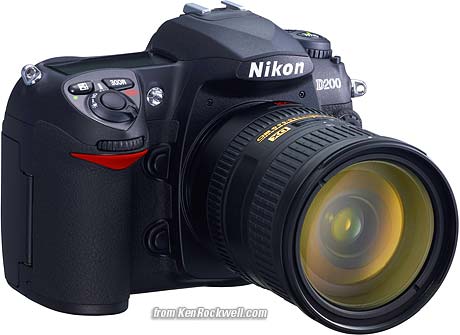
Nikon D200 by Kenrockwell


INTRODUCTION
My D200 is the best digital camera I've ever owned. I've made over 28,000 shots on it as of January 2007.
Boring lab tests can't tell you that my D200 gives me more great images with less work. My D70 and D40 can give similar results (resolution isn't related to image quality), but I have to twiddle the adjustments like white balance and exposure compensation more.
COLOR
My D200's colors are fabulous, and my work is all about color.
My D200 has much better color interpretation than any other digital camera. It sees color the way I do, and doesn't get too blue in shade. I used to run all my other digital cameras at WB Auto -3 and use a glass 81A (A2) warming filter all the time. My D200 gives me the results I want at Auto WB (+/- 0) and no glass warming filter required. I love this!
Auto WB works better than on any other DSLR I've used. I can shoot in shade, daylight or fluorescent and it looks right. My other digital cameras are always too blue in the shade and too green under fluorescent in Auto WB. I have to twiddle WB manually on those cameras. My D200's Auto WB actually works so I can concentrate on the image. AWB under tungsten still looks orange in dim light, but looks perfect in brighter light. Manual tungsten settings look too orange, just as they do on other cameras. On my D200 I use the manual white card or Kelvin adjustments (try 2,500 K) to get great natural results under home interior tungsten lighting.
EXPOSURE
Exposure is better on my D200 than anything else I've ever used. I spend much less time getting to the correct exposure in difficult situations. The D200 refuses to blow out my reds, which are a problem on most digital cameras in tricky situations.
BATTERY LIFE
The D200's LCD is big, bright, sharp, clear and colorful. It also uses a lot of electricity to make it look so delicious at every angle. I love looking at it because it looks so good.
Therefore battery life is only a few hundred shots on a charge. Nikon's ads claim 1,800. Baloney. It's a lot worse than my D70.
I bought a spare battery and can go through two in a day of shooting. I'd rather have the great screen and bring a spare battery. They charge faster than Nikon claims, too, in only 105 minutes from zero charge.
If I just shoot and don't use the LCD I can get over 1,000 shots. Everyone uses the LCD, and when I do I can get as few as 250 shots on a charge! If those are time exposures I'll get even fewer.
Your battery life has little to do with the actual number of shots. It has everything to do with how long you use the big, bright, sharp and colorful LCD to check your work, how long the shutter is open, how much data is written for your choice of file types and how long the meter is on while we twiddle. This twiddling is the creative process.
Even with the LCD off you'll suck the battery dry quickly with long exposures. My D200 sucks one entire battery dry in a single 80 minute exposure. My D70 never ran the battery down, no matter how much I used its puny LCD.
I don't mind the D200's battery life. It's a lot better than the primitive but state of-the-art at the time D1H I bought less then three years ago for $4,000. The short battery life suggests the D200 has the electronics of today's $5,000 D2X, but a smaller battery with the same capacity of the D70s. I'd rather have a smaller battery and smaller camera than the huge battery and body of the D2X.
Nikon seems deceptive in advertising 1,800 shots. They didn't specify the test conditions in the ads on whose basis I made my purchase. Only after I bought my D200 was I able to read these test conditions in the manual. They're a travesty of what a real photographer would do. Those conditions are only for a 1/250 sec exposure, a Basic medium-resolution JPG file and not using the LCD except for 5 seconds after each 6 shots. I often look at the LCD for 10 - 20 seconds after every shot. Nikon also specifies that you'll only get 340 shots when using the flash at full power for half the shots, and then that's not using the LCD at all!
I love my D200, but won't complain if lawyers bring a class action against Nikon to get us free spare batteries. Actually, to get 1,800 shots I'd need about three spares since I average about 450 shots per charge if I go easy looking at the LCD. I don't mind the actual battery life, but do mind that Nikon advertised a deceptive figure.
HOW DID I GET MINE BACK IN DECEMBER 2005?
Simple: I ordered it the day it was announced, November 1st, 2005. I paid full price and had to wait almost two months. I suggested you all do the same right here on this page on November 1st as well.
Just like any hot new digital camera, they are so popular at first that there are usually waiting lists. Nikon's not slow - they just have a zillion more orders than they can make cameras. Your store can't really tell you when to expect your order, since the store is waiting for Nikon to get the cameras to them.
No one could buy the previous D100 from stock for 6 - 12 months after it was introduced in 2002. It was on waiting lists and backorder for about a year.
If you're considering the D200 I'd suggest you order one right now, since if you don't like it you can just send it back if you order online as I do. Also when yours shows up probably could resell it to some who can't wait, at a profit, if you don't like it! Just like when the D100 and D70 came out, it will be a while before you can just walk into a store and buy one. The lists are filling up and waiting times are going to get worse before they get better. I'm glad I ordered mine the day it came out.
Some places have D200/18-70 kits in stock (Adorama has them here), but not the D200 body only. Darn. I suggest everyone get the 18-200VR I use, or the cheapest 18-55 lens which I also prefer to the 18-70. If I had a job to shoot and the 18-70 kit was my only option I'd go for it, be glad that I got my camera in my hot little hands, and sell the 18-70 lens later. If you're in a rush and like me you'll be so happy with the D200 that it won't matter how you had to get it. These things go obsolete so fast that waiting a few extra months isn't helping you.
BASIC SPECS
10.2 Megapixels, 5.1 FPS (measured), unusually high quality huge 2.5" LCD, 11 area AF, rubberized magnesium weather-sealed body, $1,699.95 US.
Announced 01 November, 2005. I ordered mine that very first day and I'm glad I did. Mine arrived December 19th 2005 and I LOVE it!
ORGANIZATION
I'm adding to these pages every day. Eventually I will reorganize them all to make more sense when I've finished writing them. If you're a daily visitor you may want to skip straight to the performance pages which is where most of the updates happen. My apologies for not being able to let you know what changes every five minutes, but not doing that while these pages are being written lets me spend that time adding more important information instead.

fotografer jogja - jogja photographer

fotografer jogja - jogja photographer

Minggu, 05 September 2010

fotografer jogja - jogja photographer

behind the scene of prewedding Ikke n Daru


Ucapan terima kasih sebesar2nya kepada crew Rief Photography
yang telah mampu membantu dalam proses pemotretan
Prewedding yang semoga menjadikan kita semua menjadi
manusia yang selalu maju dan berkembang bersama.

Client yang mampu membuat kami terus berkembang dan berkarya,
tak henti2nya kami mengucapkan terimakasih banyak atas
kepercayaan anda, dan kepercayaan itu tentunya bisa
menjadikan kami sebagai motivasi dan tanggung jawab,
karena kami mempunyai prinsip
"Kepuasaan Anda adalah Amanah bagi Kami "Rief PHotography".

salam

Rief Photography

fotografer jogja - jogja photographer


Canon EF ( L Series ) Lenses 

EF 600mm f/4.0L IS USM 
by JPCKemang 


Price Warranty
Rp 82.736.800  via JPC 1 Year Service and Spare-part 
   

Website : Click here to view a website
Source : www.canon.co.uk
 
The Canon EF 600mm f/4.0 L IS USM Lens is Canon's longest, almost heaviest (the Canon EF 400mm f/2.8 L IS USM Lens is 10g heavier) and most expensive EF lens. It has the reach needed for - and is commonly used for - bird photography, small and distant animal photography, surf photography (from shore), long distance sports photography . If you can get past its size, weight and price, the Canon EF 600mm f/4.0 L IS USM Lens, does not leave much to be disappointed in. The size of the Canon EF 600mm f/4.0 L IS USM Lens is apparent in the above comparison photo with the Canon EF 500mm f/4 L IS USM Lens (above left). Most photographers regard the 500 f/4 as a large lens - but, size is relative. The Canon EF 600mm f/4.0 L IS USM Lens weighs in at 11.8 lbs (actually, it is the same weight as the shorter Canon EF 400mm f/2.8 L IS USM Lens). The 600 is 6.6" (168mm) in diameter and 18" (456mm) in length (without the lens hood attached). For comparison, the Canon EF 500mm f/4 L IS USM Lens weighs 8.5 lbs (3.3 lbs less than the 600) and measures 5.8" x 15.2". Canon has made an effort to keep the Canon EF 600mm f/4.0 L IS USM Lens as light as possible without sacrificing strength by utilizing a Magnesium alloy lens barrel. The carbon fiber lens hood is very light (and very expensive to replace). You will want to use it for protection and improved contrast. I should note that Canon uses a protective front lens element in the 600 IS.

As with all Canon Super Telephoto L Lenses, build quality of the Canon EF 600mm f/4.0 L IS USM Lens is excellent. The focus ring and the many switches resident on the lens all work smoothly. It will be obvious to a photographer that this is a very high quality piece of equipment - professional grade. Although it is for the long focal length that many people buy the Canon EF 600mm f/4.0 L IS USM Lens, its image quality is excellent as well. The 600 IS has decent sharpness wide open and improves some until stopped down 1 f-stop or so. The Canon EF 500mm f/4 L IS USM Lens is very slightly sharper - but not enough so for sharpness to be a big differentiator. Sharpness with Canon Extenders is also decent. Some vignetting is apparent at f/4. Color and contrast are very good. Eliminating background distractions is generally desired when photographing birds and similar subjects. Combining a relatively wide 8-blade aperture with 600mm telescopic compression can turn a background into a beautiful blur. Colors and contrast produced by the Canon EF 600mm f/4.0 L IS USM Lens are both very good. Image Stabilization (IS) is an excellent feature present on the Canon EF 600mm f/4.0 L IS USM Lens. It will not stop subject motion, but makes a big difference in camera/lens motion. Both Mode 1 and 2 IS are available. Mode 1 IS attempts to stop camera/lens motion in all directions. Mode 2 IS allows panning with a moving subject. As with all IS-equipped lenses, an on/off switch allows IS to be disabled.

Even with the 600 IS mounted on a tripod, IS helps stop vibrations. The IS version on this lens is tripod-sensing. The Canon EF 600mm f/4.0 L IS USM Lens knows that a tripod is being used when vibrations go below a certain level. Keep IS turned on when mounting the Canon EF 600mm f/4.0 L IS USM Lens on a tripod to take advantage of this secondary IS mode - reducing mirror slap, shutter and tripod vibrations. Utilizing Ring USM (Ultrasonic Motor), the Canon EF 600mm f/4.0 L IS USM Lens autofocuses very fast and has FTM (Full Time manual focus). A 3-position focus limiter switch allows focusing distances to be limited to a specific distance range - or to be unlimited. Limiting the focus distance range can improve focus lock times. Autofocus Stop buttons near the objective lens allow autofocus to be temporarily stopped. AF accuracy is excellent in both one-shot and AI Servo modes. The Canon EF 600mm f/4.0 L IS USM Lens' Focus Preset feature allows a specific focus distance to be programmed into the lens. Pressing the Focus Preset button quickly sets focus to the pre-programmed distance. You might want to use this feature if you have a perch set up for birds to land on. When the bird lands, press the button and shoot. The Tufted Titmouse picture above was taken with the Canon EF 600mm f/4.0 L IS USM Lens mounted on a Canon Extender EF 1.4x which was mounted on a Full Frame Canon EOS 1Ds Mark II Digital SLR. This uncropped sample picture was taken at near-minimum focus distance for the Canon EF 600mm f/4.0 L IS USM Lens (18'/5.5m). Photographers using a 1.3x FOVCF Digital SLR should be able to get similar minimum focus distance framing without the 1.4x extender. Photographers using a 1.6x FOVCF Digital SLR should be able to get even tighter framing without the 1.4x extender. The Canon EF 500mm f/4 L IS USM Lens can produce identical framing to the sample shot above as it shares the same .12x magnification spec. But, the 500 needs to be 3.2' (1m) closer to the subject (14.8'/4.5m) to achieve this framing. Of course, an Extention Tube can be used to allow closer focusing (higher image magnification, tighter subject framing).

Obviously, the Canon EF 600mm f/4.0 L IS USM Lens is compatible with - and is commonly used with - the Canon Extender EF 1.4x and Canon Extender EF 2x. Image quality is degraded slightly with the 1.4x and moderately with the 2x. Loss of contrast and sharpness are the most notable effects. There is noticeably more barrel distortion when using the 1.4x with the 600mm on a Full Frame body than with the Canon EF 500mm f/4 L IS USM Lens on the same body. The above photo shows the Canon EF 500mm f/4 L IS USM Lens (left) and the Canon EF 600mm f/4.0 L IS USM Lens with their lens hoods in place. The 500 IS is shown with a Wimberley P40 Lens Plate attached, the 600 IS is shown with a Wimberley P50 Lens Plate attached. Also noticeable in the above photo is the padded top side of the tripod foot on these lenses. The Canon EF 600mm f/4.0 L IS USM Lens is frequently carried upside down with the tripod foot acting as a handle. The pad provides a better grip in addition to being more gentle on your fingers. This tripod ring (or collar) has positive stops at each 90 degree setting as it rotates. It is not removable on this lens (or the 500). Most people find the Canon EF 600mm f/4.0 L IS USM Lens too heavy to shoot handheld with for any length of time. And if you are super strong, you will want to use the tripod ring to rest on your hand with your elbow on your hip for support. So, there is little reason to remove it. The foot itself is removable with a hex key wrench. The primary reason I see to remove it is for replacement with a specially designed lens plate foot such as one made by Wimberley. Plan on using a heavy duty tripod and a Wimberley Tripod Head II with this lens. When properly mounted on this setup, the Canon EF 600mm f/4.0 L IS USM Lens can be positioned with two fingers. Other support solutions include ground pods, car mounts and bean bags.

Although using the 600 IS tripod-mounted on the Wimberley Head is effortless, getting the rig to your shooting location is not. The Canon EF 600mm f/4.0 L IS USM Lens is a significant piece of equipment to transport - especially if the weight is on you. It is not fun to carry (especially knowing the financial loss involved with a drop). For this reason, many photographers choose the slightly shorter focal length Canon EF 500mm f/4 L IS USM Lens. If you do not have to carry the lens far (to your back yard feeders for example), the weight becomes less of a differentiating factor. The Canon EF 600mm f/4.0 L IS USM Lens comes packed in a protective and lockable lens trunk (a very expensive item to buy separately) and includes a neck strap that attaches directly to the lens. You will not want to carry the 600 IS mounted to your camera body using the camera body's neck strap to support the entire weight. You risk damaging the lens mount on the body. The lens trunk 600 is somewhat larger than the Canon EF 500mm f/4 L IS USM Lens trunk (use the link to see pics of the lens trunk 500) and similar in size to the Canon EF 400mm f/2.8 L IS USM Lens trunk. Good in-the-field cases for the Canon EF 600mm f/4.0 L IS USM Lens include the Lowepro Pro Trekker II AW Backpack, Lowepro Lens Trekker 600 AW Backpack and Lightware z600 Case.

The Canon EF 600mm f/4.0 L IS USM Lens utilizes 52mm drop-in filters and comes equipped with a drop-in gel filter holder with a glass filter installed. This glass filter is also a nice way to catch dust before it drops deep inside the lens. The Canon 52mm Drop-In Circular Polarizer Filter is probably the most-used drop-in filter available for this lens. Small and/or distant wildlife is one of the most common Canon EF 600mm f/4.0 L IS USM Lens targets. Bird photographers love this lens - it is the ultimate tool for this type of photography. Large field sports are another common target of this lens for full-frame body users. With 600mm of focal length, you can shoot a large portion of a full-size soccer, football, baseball field. And the autofocus motor has no problem keeping up with the fast action. I typically utilize a sturdy monopodpod for shooting sports with this lens. Unless you are with other avid/pro photographers (or alone), expect stares and lots of questions from those around you when using the Canon EF 600mm f/4.0 L IS USM Lens. It garners lots of attention. Respond politely and don't worry about it. Or show them the pictures you have taken with the Canon EF 600mm f/4.0 L IS USM Lens. As they say, a picture is worth a thousand words. And in the hands of a good photographer, the Canon EF 600mm f/4.0 L IS USM Lens will create pictures that generate lots of admirationion.
Product Specification
Angle of view (horzntl, vertl, diagnl)
3°30', 2°20', 4°10'
Lens construction (elements/groups)
17/13
No. of diaphragm blades
8
Minimum aperture
32
Closest focusing distance (m)
5.5
Maximum magnification (x)
0.12
AF actuator
USM
Filter diameter (mm)
52 Drop-in
Max. diameter x length (mm)
168 x 456
Weight (g)
5,360
Magnification with Extension Tube EF12
0.14 - 0.02
Magnification with Extension Tube EF25
0.17 - 0.05
Lens hood
ET-160
Hard case
Lens Case 600
Soft case
-
G.F.Holder III (hood III*)
NC
G.F.Holder IV (hood IV*)
NC
 

fotografer jogja - jogja photographer


Canon EF ( L Series ) Lenses 

EF 14mm f/2.8L II USM by JPCKemang


Price Warranty
   
Rp 18.803.400  PT. Datascrip 

Website : Click here to view a website
Source : www.canon-europe.com
 
EF 14mm f/2.8L II USM -NEW
The exacting professional's ultra wide-angle lens, the EF 14mm f/2.8L II USM uses UD and aspherical elements for paramount image quality. A maximum f/2.8 aperture ensures great low light performance.
The ultra wide-angle lens for professionals.
A special perspective
Covering a breathtaking 114° field of view, the EF 14mm f/2.8L II USM goes beyond human perspective. Ideal for capturing small interiors, large subjects at close distances or dramatic landscapes, this highly expressive lens can also be used to create a strong sense of separation between close subjects and background.

L-series construction
Like all L-series lenses, the EF 14mm f/2.8L II USM combines precision optics with unsurpassed build quality, reliability and ease of use. Dust and moisture seals offer advanced protection from the elements, even in harsh weather conditions.

Large f/2.8 aperture
A maximum aperture of f/2.8 allows for fast, flash-free shooting in low light settings, plus good depth of field control.

Aspherical and UD elements
For optimum visual performance, the lens incorporates two types of special elements: aspherical elements to correct spherical aberrations, and Super UD (ultra-low dispersion) elements to eliminate secondary chromatic aberrations. The result is crisp, high contrast and undistorted image quality all the way to the frame peripheries.

Ring USM auto focus with manual override
Canon’s ring USM auto focus system employs ultra-sonic frequency vibrations for fast, accurate and virtually silent operation with excellent holding torque. Full-time manual focus override, via a large ring that does not rotate during auto focus, allows photographers to begin fine-tuning a shot instantly. Super Spectra coating, Super Spectra coatings help ensure accurate colour balance and high contrast, and suppress flare and ghosting by absorbing light that might be reflected off internal lens elements and digital EOS sensors. A circular aperture delivers smooth, even-looking bokeh (background blur) - ideal for isolating subjects at large aperture, or compelling portraiture. The EF 14mm f/2.8L II USM features an integrated petal hood to protect the front lens element, improve contrast and prevent vignetting. A lens cap and soft case are supplied.
Features L-series construction with dust and moisture sealing
Large f/2.8 aperture
Super Spectra coatings reduce ghosting and flare
Aspherical and UD lens elements
Ring USM auto focus with full-time manual focus override
Circular aperture
Angle of view (horzntl, vertl, diagnl) 81º, 104º,114º
Lens construction (elements/groups) 14/11
No. of diaphragm blades 6
Minimum aperture 22
Closest focusing distance (m) 0.2
Maximum magnification (x) 0.15
Distance information Yes
Image stabilizer No
AF actuator Ring USM¹
Filter diameter (mm) Filter Holder
Max. diameter x length (mm) 80 x 94
Weight (g) 645
Magnification - Extension Tube EF12 II Not compatible
Magnification - Extension Tube EF25 II Not compatible
Lens hood Built-in
Soft case LP1016
G.F.Holder III (hood III*) NC¹
G.F.Holder IV (hood IV*) NC¹
Extenders EF1.4x II and EF2x II Not compatible
AF actuator ¹ Mechanical full-time manual focusing built-in
G.F.Holder III (hood III*) ¹ Not Compatible with Gelatine Filter Holder III/IV.
G.F.Holder IV (hood IV*) ¹ Not Compatible with Gelatine Filter Holder III/IV.
Maximum number of Hood III/IV attachable. In case of zoom lenses, the maximum number applies to the short focal length